Empowering Lives: Your Guide to Cancer Awareness and Treatment Options
Navigating the world of cancer can feel like being in a maze. For patients and caregivers alike, the complexity of cancer diagnosis, treatment options, and everything in between can be overwhelming. But fear not! This essential guide is here to illuminate the path with a wealth of cancer information, empowering you with the knowledge needed to face the challenges ahead. Whether you are seeking insights on chemotherapy or exploring alternative therapies, there's something here for everyone. And remember, you're not alone in this journey; support groups and community resources abound, ready to stand alongside you.
The first step to navigating cancer is understanding the disease itself. Cancer is not just one illness but a vast collection of diseases that require a nuanced approach. Oncology blogs are full of rich, evidence-based information that can help shed light on your specific diagnosis. Questions like ‘What stage is my cancer?’ and ‘What are my treatment options?’ can be daunting. Engaging with healthcare education materials can provide clarity and guide you toward informed decision-making. As we embrace David Agus’ words, 'The only way to deal with cancer is to understand it,' the more knowledge we have, the better equipped we become.
Once you grasp the basics of your cancer diagnosis, the next step involves exploring treatment options. From radiation therapy to immunotherapy and everything in between, knowing what each option entails is essential. How do you choose what's right for you? Each treatment comes with its own set of benefits and potential side effects, which should be discussed openly with your healthcare provider. It may help to keep a journal of your questions and concerns to ensure that all your issues are addressed during consultations. Also, don't underestimate the power of patient advocacy—voicing your needs can lead to better treatment experiences.
Equally important in the navigation of cancer care is the realm of symptom management and nutritional support. Many patients find that managing side effects from treatments like chemotherapy requires careful attention to diet and wellness practices. Nutrition for cancer patients can significantly affect energy levels and recovery, so it’s worth consulting with a dietitian who understands cancer care. Incorporating health and wellness strategies, such as gentle exercise and stress-relief techniques, can bolster your body’s resilience. But let’s not forget—seeking psychological support is vital too, as the emotional toll can be just as heavy as the physical one.
Lastly, survivorship and palliative care are crucial elements in the cancer journey. The end of treatment doesn’t mean the end of the road; it marks a new beginning, often filled with its own set of challenges. Programs dedicated to healthcare resources can connect you to ongoing support networks that assist with rehabilitation and life after treatment. As you continue forward, lean on those community support channels and remember, you’re not just a fighter—you’re a survivor. Let your story inspire others and, in turn, find inspiration in theirs. Remember, together, we can raise awareness and bolster disease prevention, ensuring that no one has to navigate cancer alone.
Empowering Survivors: Insights into Treatment Options and Support Systems
The battle against cancer is daunting, but for many, it becomes a journey of resilience and empowerment. Survivors often emerge from the shadows of their diagnosis with newfound strength, advocating not only for their health but for others facing similar struggles. This is your gateway to understanding the diverse treatment options available, and the integral support systems that can make a world of difference during recovery. How can we unite to empower each other and foster a community dedicated to cancer awareness and survivorship? Let's dive into the realm of knowledge that can uplift spirits and provide insight into treatment options and supportive resources.
Navigating the world of cancer treatment can feel like wandering through a maze. Each path offers its own challenges and triumphs, from chemotherapy to immunotherapy and palliative care. The critical takeaway for survivors is the importance of education—understanding treatment options like radiation therapy, alternative therapies, and symptom management is key to making informed choices about one's health. As the famous saying goes, "Knowledge is power!" How does embracing this knowledge transform the cancer journey for survivors? Discovering the most suitable treatment can empower survivors to take charge of their own health and wellness, cultivating strength that radiates far beyond the walls of a medical facility.
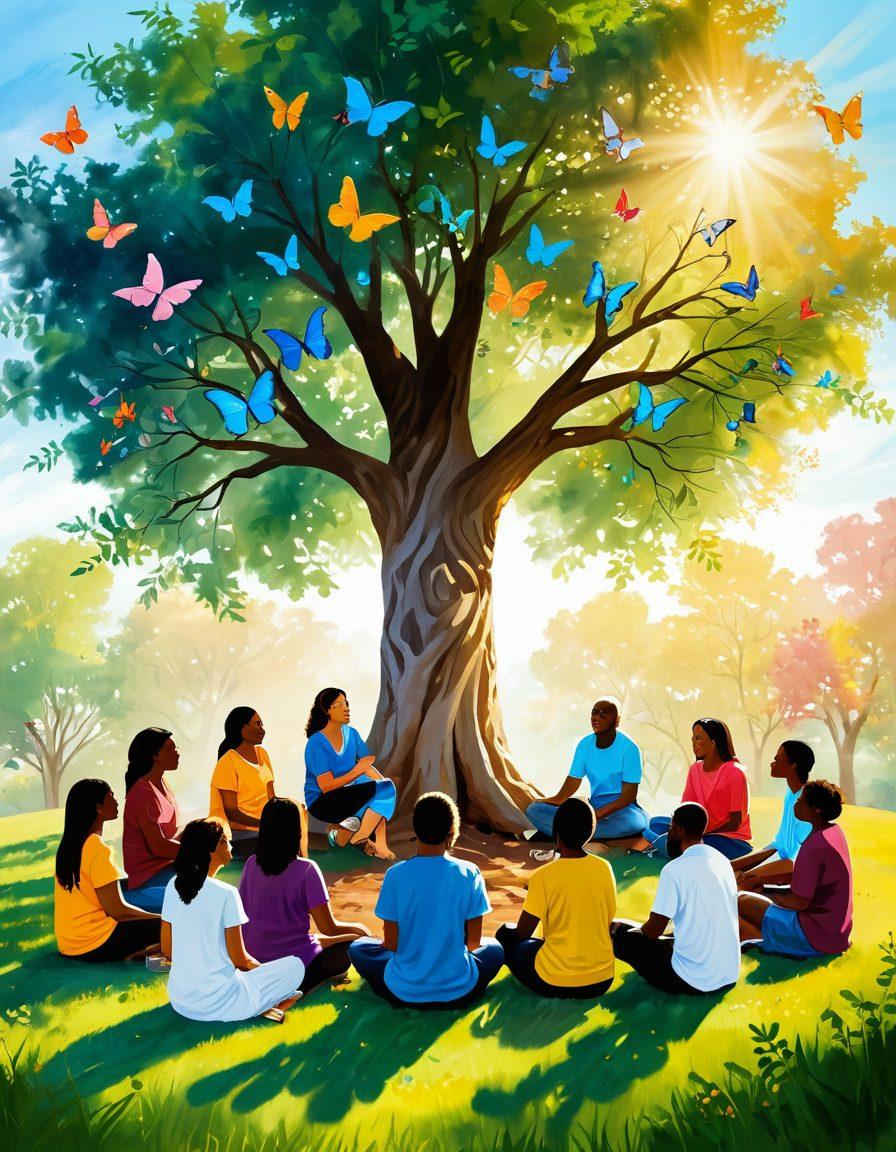
What is it that fuels the spirit of survivorship? It's often found in the supportive arms of community and peer connections. Support groups and patient advocacy organizations act as lifelines, offering emotional support and sharing cancer information that resonates with individual experiences. Connecting with others who understand the unique challenges faced during a cancer diagnosis can help mend the isolation that often accompanies such a journey. How can healthcare resources and education play a pivotal role in helping survivors navigate this complex emotional landscape? Sharing stories of triumph and resilience can help form bonds that heal, reminding all of the collective power found in community support.
Nutrition plays a critical role in recovery and overall well-being for cancer patients. Focusing on health and wellness, dietary changes that prioritize nutrition for cancer patients can bolster the immune system and enhance energy levels, naturally augmenting the effects of conventional treatment options. Research suggests that a balanced diet can positively influence treatment outcomes. What simple dietary adjustments can cancer survivors adopt to enhance their health while engaging in this healing journey? Consulting healthcare professionals about personalized meal plans creates a practical approach to nourishing the body, highlighting the importance of staying well-informed and proactive about nutritional choices as part of survivorship.
Behind every cancer statistic is a personalized story deserving of support and attention. Patient advocacy not only brings awareness about cancer information and disease prevention but resonates deeply with those facing the battle. Survivors embody heroism, whether they are sharing their own journey or advocating for continued medical research. How can we collectively work to elevate the conversation around cancer survivorship and encourage others to join this vital mission? Empowering each other with knowledge, emotional connections, and tangible support systems helps transform the experience of cancer diagnosis into one of hope—together, we can also foster a culture of understanding and compassion that champions health outcomes for all.
Building a Healthier Future: Disease Prevention and Wellness Strategies in Oncology
In the world of oncology, the focus is not merely on battling cancer but also on building a healthier future through disease prevention and wellness strategies. Have you ever considered how much of our health is governed by our choices? From diet to support systems, every decision can play a pivotal role in our journey. As we embark on this exploration of cancer awareness, remember that knowledge is power, and by understanding our options — whether through medical research, healthcare education, or community support — we can create a stronger defense against this formidable opponent. It's time to reclaim control and advocate for our health!
Imagine a life where cancer is not the end but just a chapter in a larger story. Each day, countless individuals face a cancer diagnosis, and it’s crucial for them to feel supported and informed about their treatment options. According to a recent study, those who actively engage in patient advocacy are more likely to have higher satisfaction with their care. Quotes like, "What lies behind us and what lies before us are tiny matters compared to what lies within us," remind us that our strength can be the key to survival and thriving in the post-cancer experience. This journey offers not just survival but the possibility of flourishing through survivorship.
Have you thought about the role of nutrition for cancer patients? It's more than just a diet; it's a vital component in a person's recovery and wellness strategy. Research indicates that certain foods can enhance the effectiveness of treatments like chemotherapy, radiation therapy, and immunotherapy. Coupled with a well-rounded approach that includes alternative therapies and symptom management, patients can empower themselves to navigate their cancer journey with greater ease. After all, what we feed our bodies can significantly affect our ability to fight disease, and that starts with education and resources available to every patient.
The importance of psychological support during this challenging time cannot be overstated. Support groups offer not just companionship but the understanding that only those who have walked a similar path can provide. Sharing stories, struggles, and victories can weave a fabric of hope that is both comforting and enlightening. It raises the question: How can we foster a community that supports each individual? Through workshops, local meet-ups, and online forums, a supportive network can be created to transform the daunting experience of cancer into one of shared strength and resilience.
As we continue to build a healthier future through disease prevention and wellness strategies in oncology, it’s essential to discuss actionable steps that anyone can take. Regular screenings, maintaining a balanced diet, and staying informed about the latest cancer information can equip us all to face what lies ahead. The message is clear: Don’t wait for a cancer diagnosis to prioritize your health; become proactive, educate yourself through healthcare resources, and encourage others to do the same. Together, we can illuminate the path toward a brighter, healthier future where cancer isn’t just a word but a challenge that we can meet with courage and compassion.